Part 03: Silhouette vs. Shader : The Hierarchy of Appeal
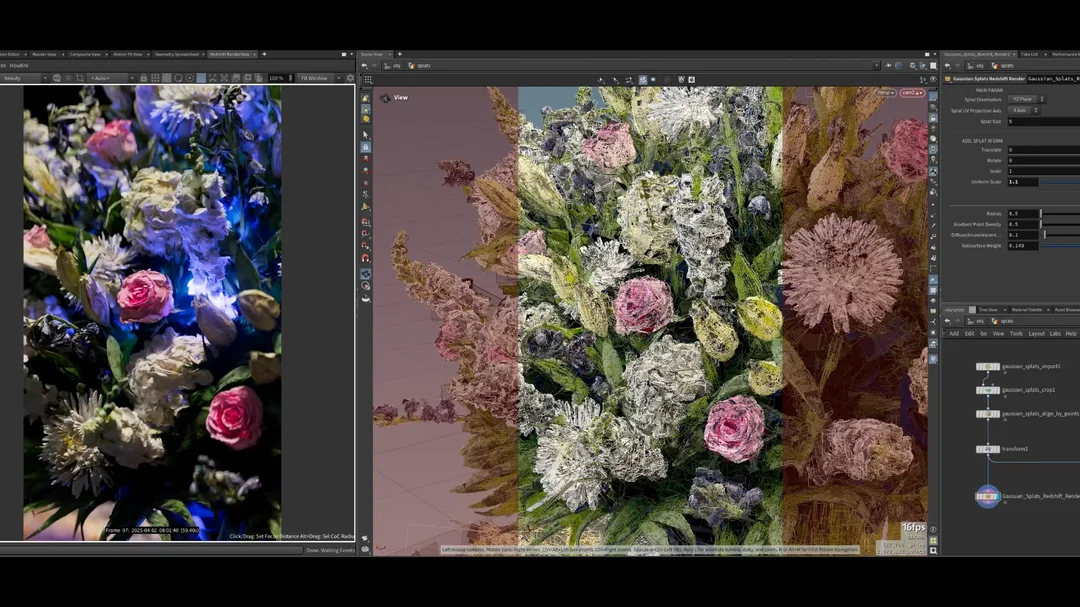
When real-time procedural engines and AI generators can spit out hyper-realistic 8K shaders in seconds, technical surface fidelity is no longe... ...r a moat.
Yet, walk into almost any junior portfolio review, and you’ll see the exact same mistake: an artist spending three days tweaking roughness maps and subsurface scattering parameters on an asset whose silhouette collapses from five meters away.
They are trying to solve a structural problem with a surface paint job.
As we established in Part 2 with "Human Friction," texture gives a surface history. But Silhouette gives it presence. If you don't master the Hierarchy of Appeal, your renders will remain visually noisy and emotionally flat.
1. The 100-Millisecond Primitive
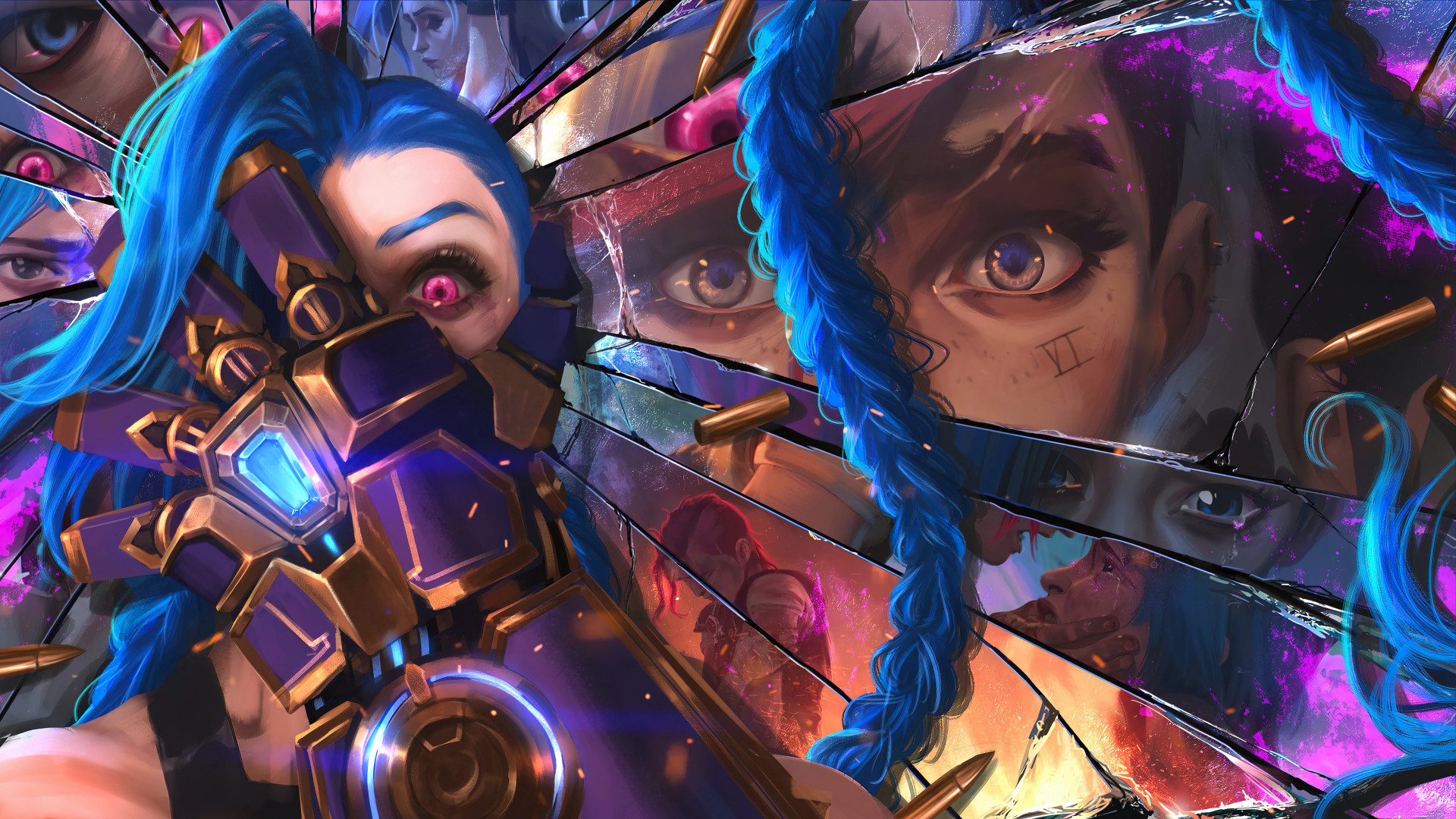
The human visual cortex is an evolutionary recognition engine. It reads weight, direction, threat, and balance in less than 100 milliseconds, long before it decodes PBR channels or light bounces.
If your primary silhouette fails, the brain flags the image as "wrong." No amount of microscopic displacement detail will override that initial subconscious rejection.
The Rule of Flat Black: Turn your viewport shader to flat, unlit black. If your asset cannot communicate its weight, emotion, and function as a solid black shape, your shader work is just applying lipstick to a corpse.
2. The Trap of "Detail Inflation"
We live in an age of infinite fidelity. But when detail becomes cheap, detail loses value.
Junior artists suffer from Detail Inflation, slapping procedural noise across every square inch of a mesh because the software makes it easy. A Senior Lead enforces the 60-30-10 Rule of Visual Hierarchy:
60% Primary (Resting Areas): Bold, clean silhouettes that give the viewer's eye a place to breathe.
30% Secondary (Form Breaks): Major bevels, structural seams, and plane shifts that define physical construction.
10% Tertiary (Friction & Shaders): Micro-scratches, smudges, and PBR magic that complete the illusion.
When you invert this ratio, spending 80% of your energy on tertiary shader noise, you create visual fatigue, not artistic appeal.
3. Designing for the "Extreme Read"
In production pipelines, assets rarely sit still under neutral three-point studio lighting. They move through volumetric fog, high-contrast rim light, and motion blur.
A Lead Artist designs for the Extreme Read:
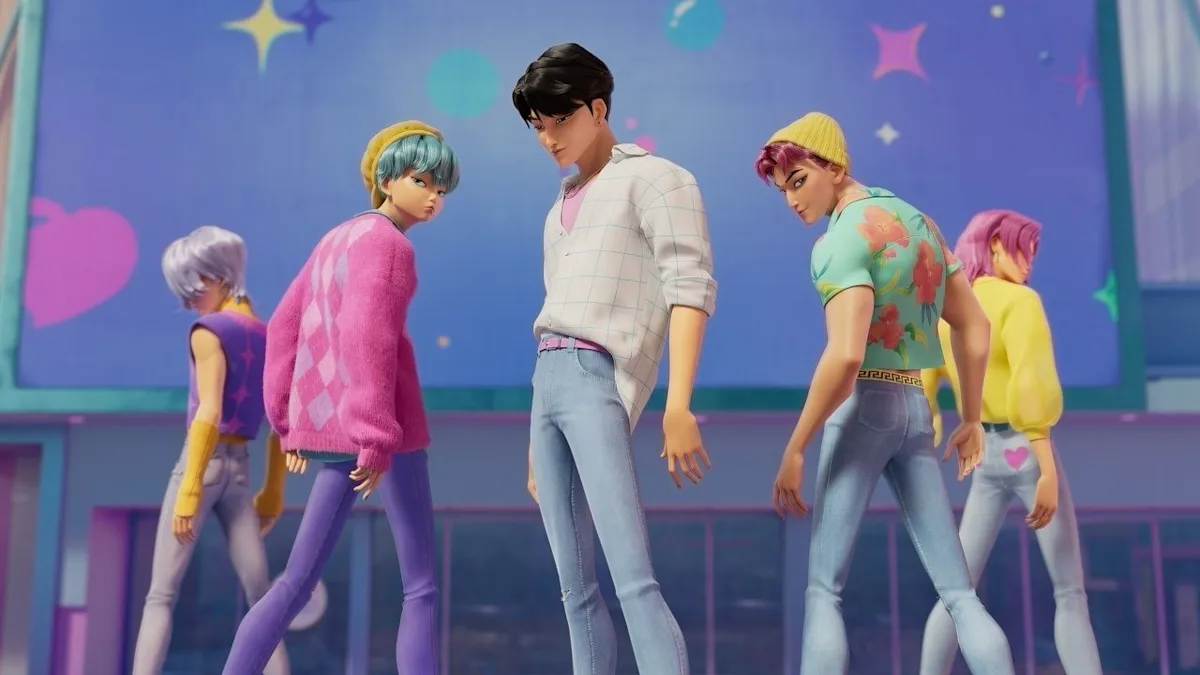
Negative Space: Is there clean air separating key forms (e.g., the gap between an arm and a torso), or does it merge into an illegible mass?
Asymmetry of Gesture: Does the silhouette tell a story of tension vs. relaxation before color is even calculated?
Rhythm of Edge: Are your curved surfaces offset by straight structural lines, or is every edge a dull, uniform chamfer?
The Verdict: Shaders Are Math. Silhouettes Are Decisions.
An engine calculates a shader. An artist decides a silhouette.
As studio pipelines streamline, the creators who survive won't be those who merely know how to plug nodes into a material graph. They will be the Architects of Form, the ones who realize that high-level art direction isn't about how much detail you can render, but how much noise you have the courage to strip away.
Stay tuned for Part 04: The Art of Directional Lighting | Controlling the Viewer’s Eye in Complex Environments.
Read more