1. The Value of Imperfection
In a world where AI can generate flawless images in seconds, imperfection has become the new signal of value. It is the evidence that a human with taste was in the driver... ...'s seat.
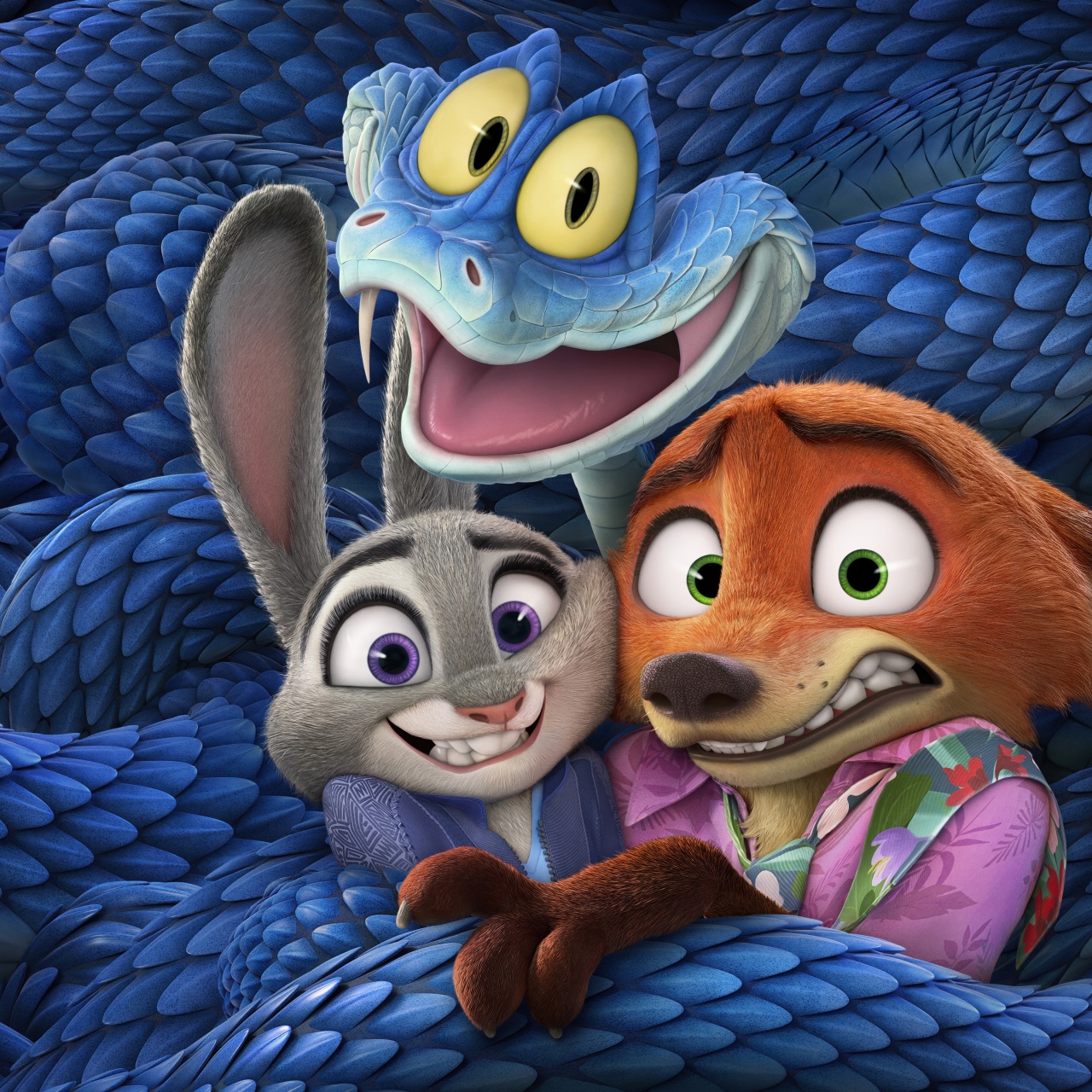
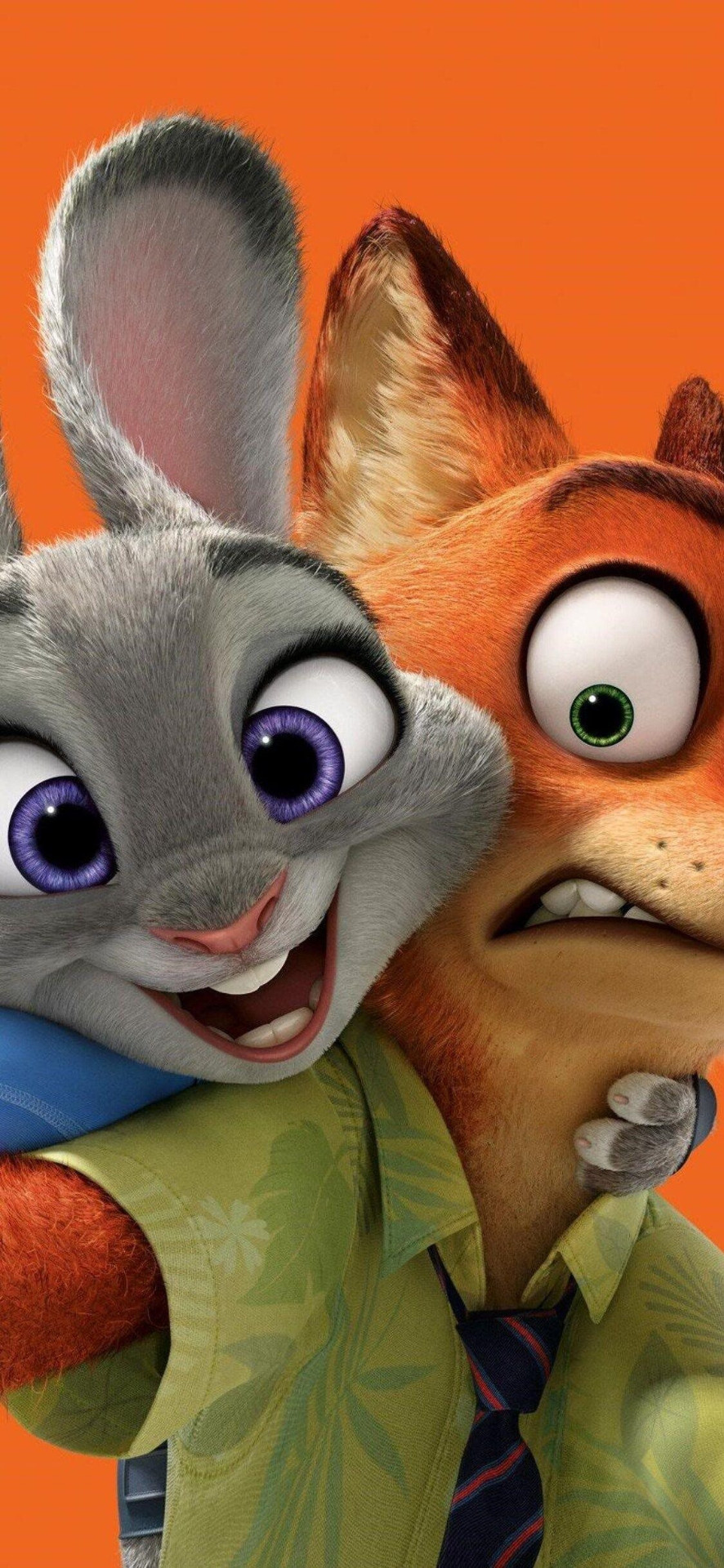
The goal isn't to make "bad" art; it's to make believable art. A perfectly symmetrical character is mathematically correct but emotionally dead. A character with a slight asymmetry, a specific wrinkle, or an imperfect clump of hair feels like a real, living being.
2. How to Design "Friction"
So, how do you design "Friction"? You have to manually "break" the rules that procedural systems are built to follow.
Breaking Symmetry: AI loves symmetry. A senior artist knows to introduce subtle asymmetries in a character’s face, pose, or clothing to make them feel more alive.
Manual Clump Rhythms: A procedural hair system will create a mathematically perfect distribution of clumps. A human artist will break that pattern to create a more natural, less predictable flow.
Custom Normals: Don't let the software dictate the shading on every surface. Manually edit normals to force shadows and highlights where you want them, creating a stylized look that is unique to your vision.
3. Taste over Technology
The key takeaway is that technology should be a tool, not a crutch.
AI and procedural systems can handle the execution, but they cannot handle the Judgment. Your role as a senior artist is to use your experience and taste to know when to break the rules and how to do it in a way that enhances the storytelling.
The Takeaway: Don't let the software make your decisions for you. Use your human taste to manually "break" the rules, introducing intentional flaws that bring your art to life.
Read more