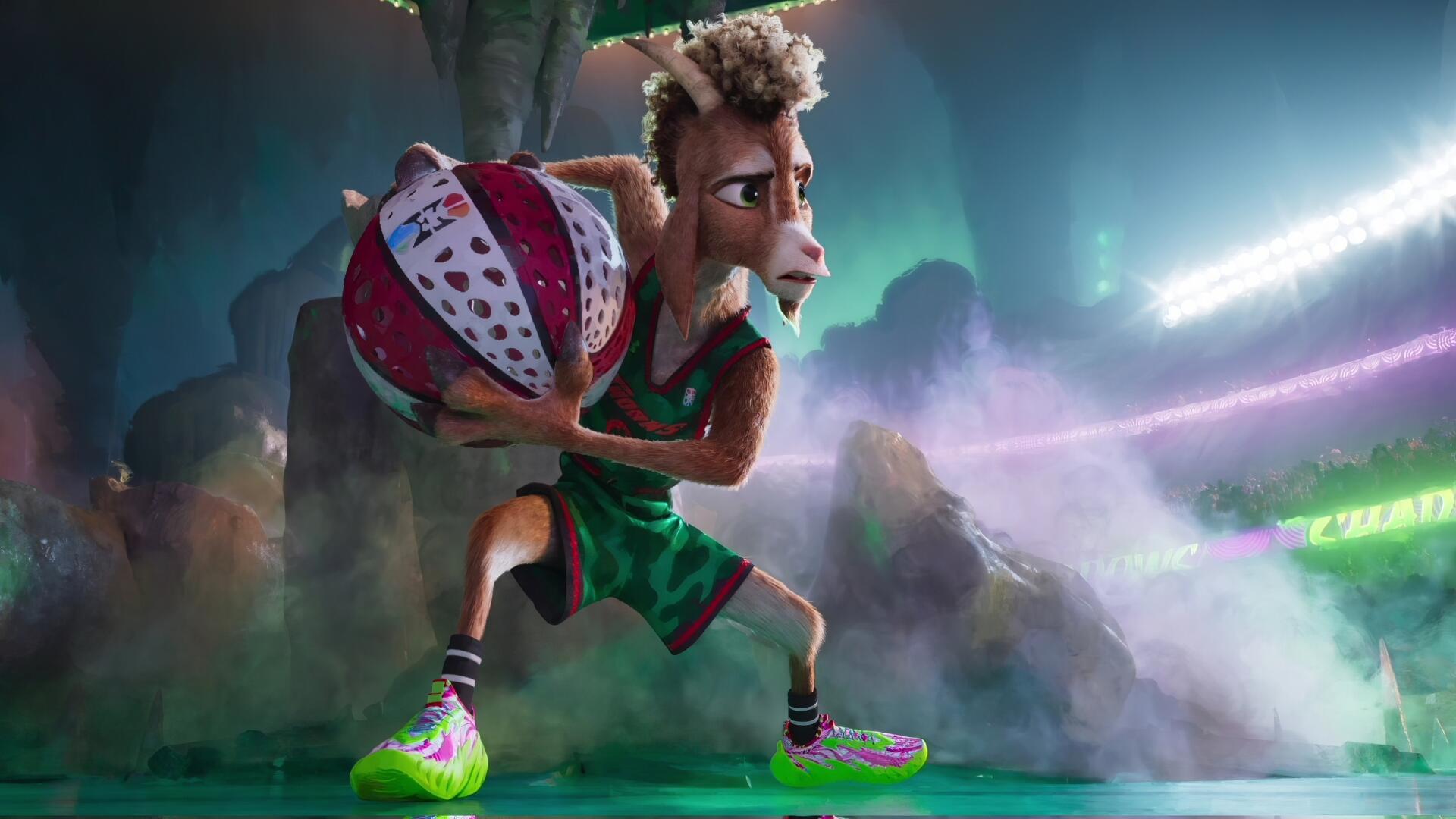
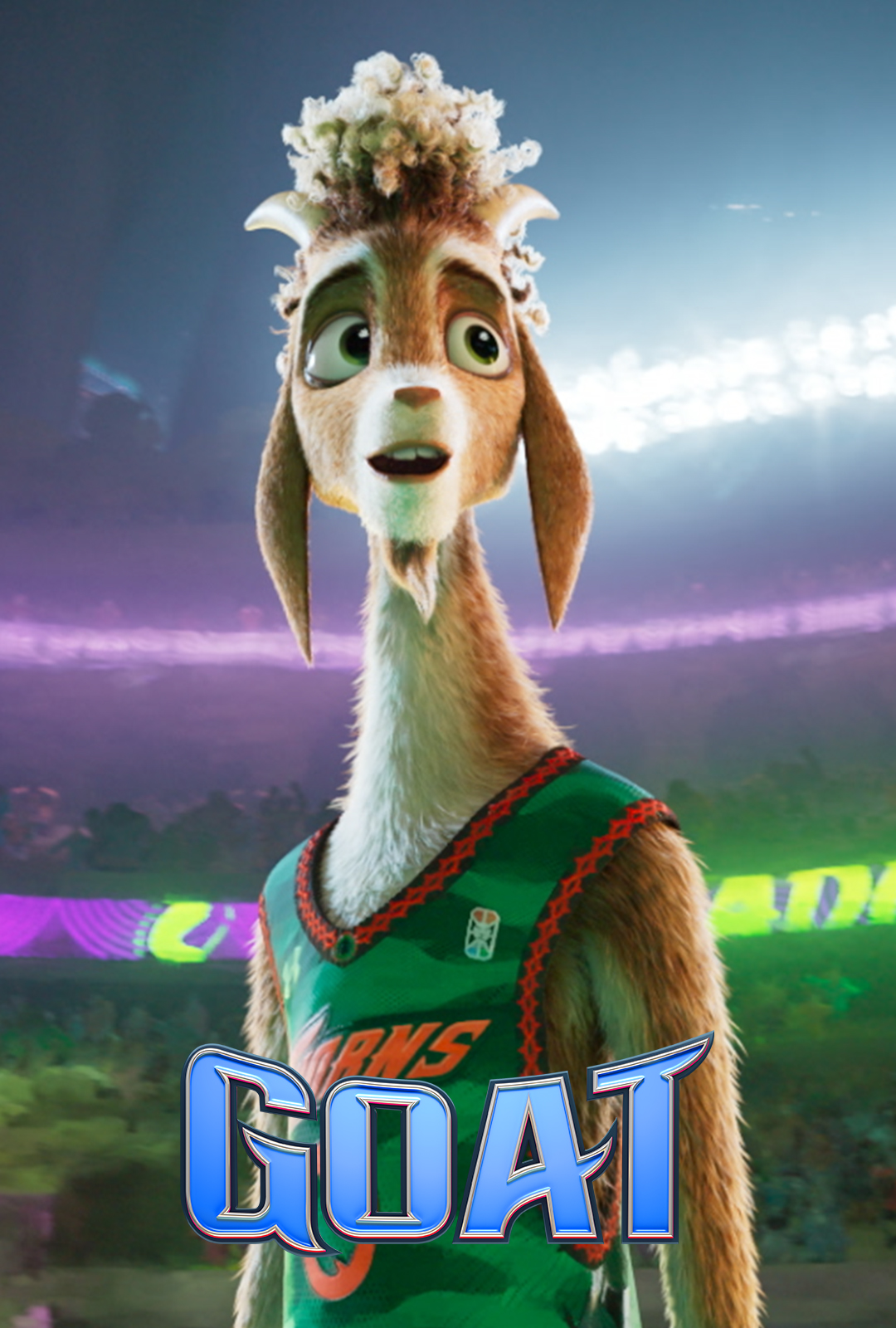
Designing for "Human Friction" , Moving Past Sterile CGI
In a raw simulation, light hits a surface perfectly. It reflects according to unbiased physics. It is mathematically "correct.... ..."
And that is exactly why it looks fake.
As we discussed in Part 1, the industry is currently drowning in "Perfect Slop." We have the tools to render reality, but we often lack the taste to render believability. To move past the sterile, "CAD-model" look of modern CGI, a Senior Lead must stop being a Simulator and start being a Saboteur. You must design the failure of the surface. I call this "Human Friction."
1. The Uncanny Valley of Perfection
Digital sterility is the primary reason high-budget projects fail to resonate. When every edge is perfectly beveled and every texture is consistently clean, the viewer’s brain rejects the image. It feels "expensive" but "empty."
"Human Friction" is the cumulative result of a world that has been touched, used, and weathered by life. It is the evidence of existence. If your asset doesn't show how it has fought against its environment, it doesn't belong in a story.
2. Micro-Stories vs. Random Noise
The biggest mistake junior artists make is adding "dirt" for the sake of dirt. They grab a procedural grunge map, slap it in the roughness channel, and call it "weathering."
A Senior Lead designs Micro-Stories:
The "Touch" Point: Don’t just add grease. Add it where a hand would actually grab a handle 50 times a day.
The "Physics of Failure": Where does the sun bleach the top-facing polygons? Where does the moisture collect in the occluded crevices?
The "Logic of Wear": A scratch on a shield should tell you if the warrior was right-handed or left-handed.
3. Engineering the Flaw
In my "Designing the Flaw" framework, I focus on how light struggles against a surface.
Micro-diffraction: Real-world lenses and eyes aren't perfect sensors.
Intentional Sabotage: Sometimes, you have to break the PBR "rules" to make a shot feel honest.
If you aren't designing the failure of the light, through smudges, atmosphere, and microscopic imperfections, you’re just calculating samples.
The Verdict: Believability is a Choice
Perfection is a digital default in 2026. Believability is a human design choice. The studios currently laying off thousands of "Specialists" are looking for the "Architects" who can bring soul back into the machine.
Don't just render the "What." Design the "Why."
Stay tuned for Part 03: Silhouette vs. Shader , The Hierarchy of Appeal.
Read more